What It Is
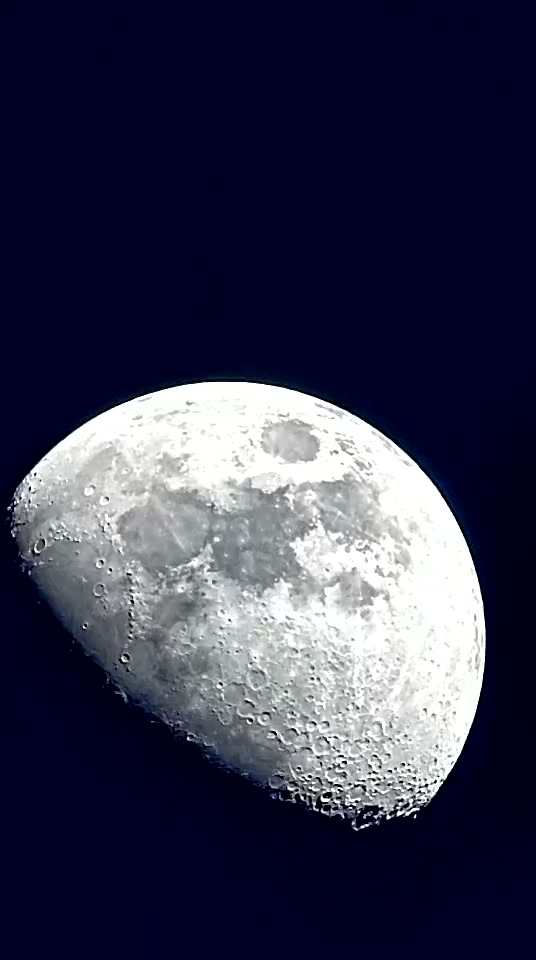
The Moon is Earth's only natural satellite: a rocky, cratered world with a very thin exosphere. A lunar eclipse occurs when Earth passes between the Sun and Moon, casting Earth's shadow across the lunar surface.
History
The Moon has guided calendars, navigation, mythology, and science for human cultures since prehistory. It is also the only world beyond Earth visited by human beings, beginning with Apollo 11 in 1969.
Science Notes
- The Moon is tidally locked to Earth, so the same hemisphere always faces us.
- Its surface preserves billions of years of impact history because there is little atmosphere or active erosion.
- The Moon is slowly moving away from Earth by about an inch per year.
- radius
- ~1,080 miles (~1,740 km)
- diameter
- ~2,160 miles (~3,480 km)
- distance
- ~238,855 miles (~384,400 km) from Earth on average
- orbit
- Orbits Earth in about 27 Earth days; lunar phases repeat about every 29 days
- atmosphere
- Very thin exosphere, not breathable